
01
Detection

Reliable fire detection, suppression and protection equipment for industrial plants, commercial facilities and critical infrastructure.


Specialized foam-based suppression for high-risk fire hazards.
Enquire Now →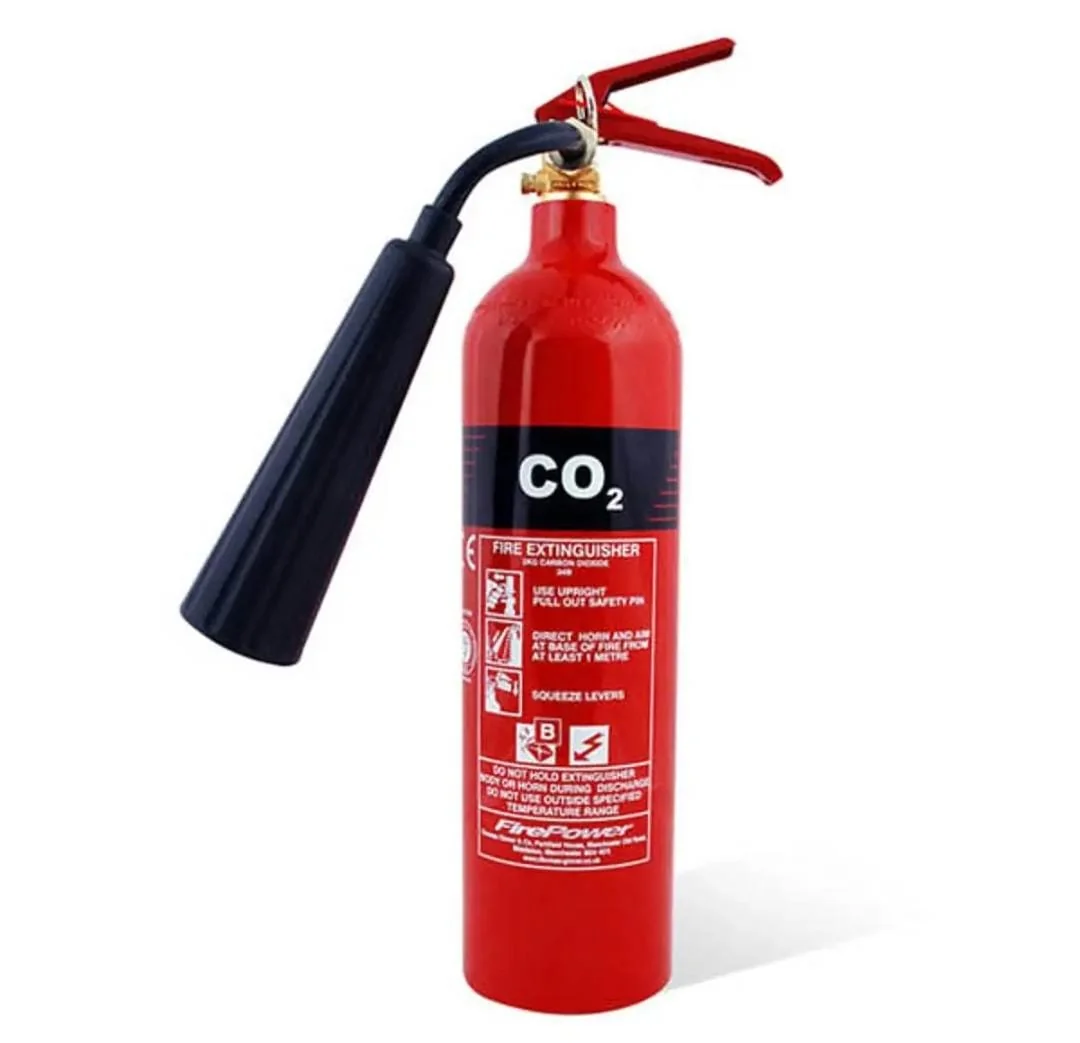
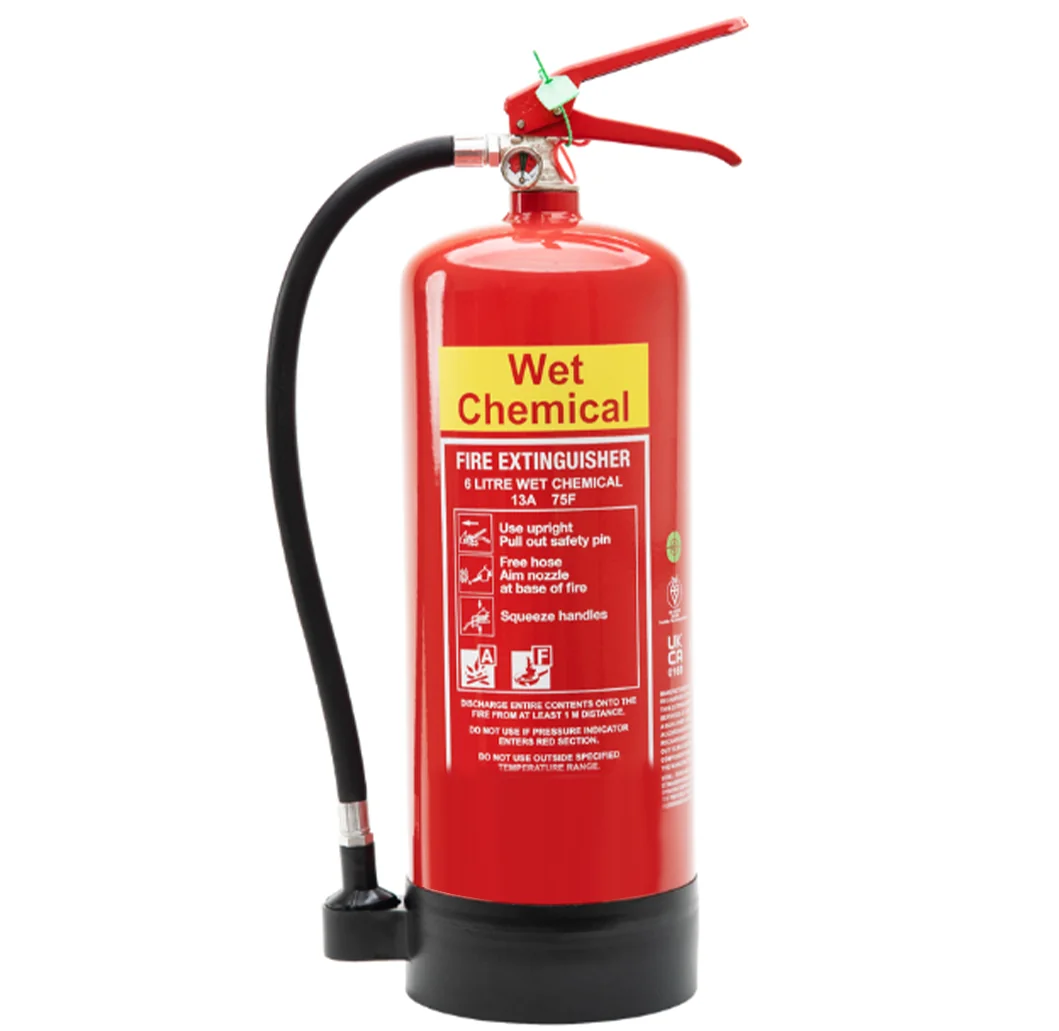
Specialized extinguisher for cooking oil and fat fires.
Enquire Now →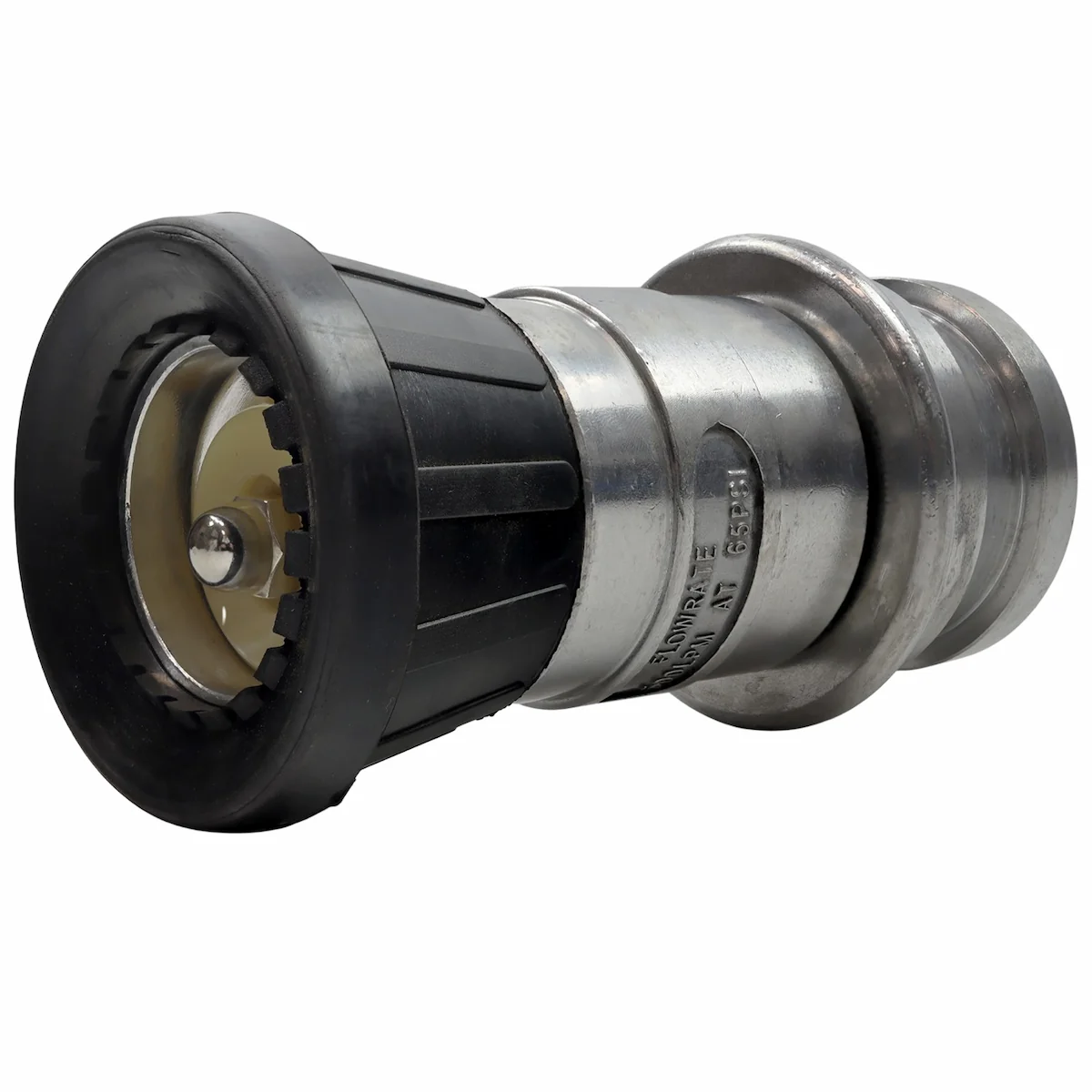


Fine water mist portable extinguisher for effective protection.
Enquire Now →


Plant Head, Sterling Petrochemicals

Compliance Director, Horizon Logistics Parks
Safety Manager, Matrix Heavy Engineering
Get clear answers about fire hydrant systems, Fire NOC, fire safety audits, mock drills, and industrial safety training.
Every pipeline network, water storage tank capacity calculation, and hydrant loop layout we draft strictly aligns with National Building Code (NBC) guidelines, IS:13039 codes, and local state fire advisory specifications.
Scaling rust, valve leaks, pressure line blockages, and pump failures often go completely unnoticed until an actual emergency strikes. Our systematic AMC scheduling guarantees your lines maintain optimum functional pressures 24/7.
Yes. Our engineers evaluate your old system’s core pipe integrity, clean out line blockages, replace damaged valves, and seamlessly weld on extensions to match your expanded factory floors.
Our comprehensive fire AMC includes quarterly physical system checkups alongside urgent breakdown support lines to handle sudden pipeline leaks or pump issues instantly.
Any high-rise commercial space, educational campus, hotel, and industrial production facility exceeding specific built-up area and height thresholds must secure a Fire NOC under regional fire safety laws.
Industrial facilities generally receive a Fire NOC validity of 1 year, requiring regular annual renewal filings. Commercial and residential spaces may be valid for 3 or 5 years, depending on state regulations.
You will need approved architectural building layout drawings, electrical wiring diagrams, specific structural safety details, and an engineered inventory list of all installed fire suppression hardware.
We pre-test your complete equipment layout, check pump pressures, clear escape stairs, and arrange your documentation folders perfectly before the officer arrives, clearing the way for a smooth sign-off.
We evaluate storage arrangements for hazardous raw materials, test electrical breaker panel heat signatures, inspect structural fire walls, check smoke alarms, and verify exit sign operational baselines.
Our internal audits identify equipment gaps, layout blocks, and compliance errors in private advance. Addressing these points beforehand keeps your facility fully prepared for surprise state inspections.
Yes. Most commercial insurance companies reduce premium rates if you share verified, comprehensive audit certificates showing an active, professionally managed fire risk framework.
You receive a structured, digital report detailing found hazard areas, photographic evidence, code violation markers, and prioritized engineering solutions categorized by risk level.
Training modules feature fire chemistry basics, custom emergency exit paths, clear roles for safety wardens, proper handling of hazardous materials, and first-aid response guidelines.
Yes, absolutely. Every training session includes a controlled, live-fire drill in which your workers physically hold, aim, and use water, foam, and CO2 fire extinguishers to build muscle memory.
Yes, factory inspectors require a dedicated safety logbook. We document every mock drill session with timestamps, participant lists, and photos to provide valid evidence for your compliance files.
Yes. We adjust our drills to simulate your plant’s specific risks—whether that means handling chemical spills, managing server room gas flooding systems, or dealing with high-voltage industrial panel hazards.