
Safety Services for Factories
We offer professional factory license consultancy, structural stability checks, and on-site emergency plans to ensure absolute safety and 100% compliance.
PPE Kits Products
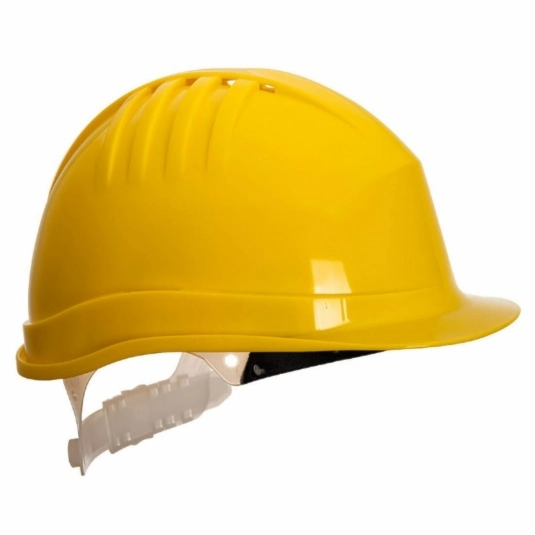
Construction Safety Helmet
DISH building stability certification
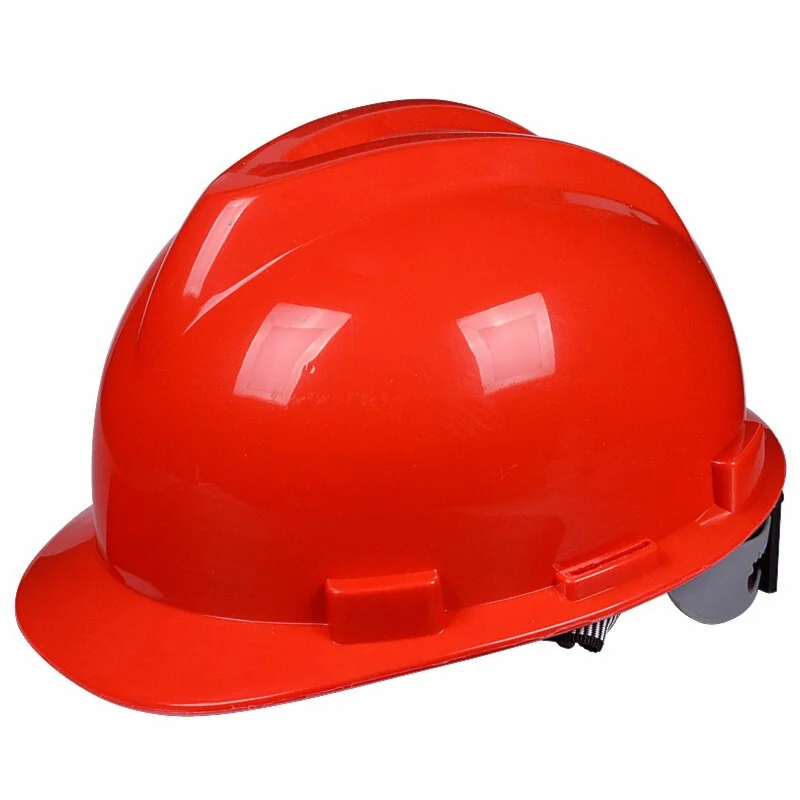
Executive Pin Lock Type Helmet
DISH building stability certification
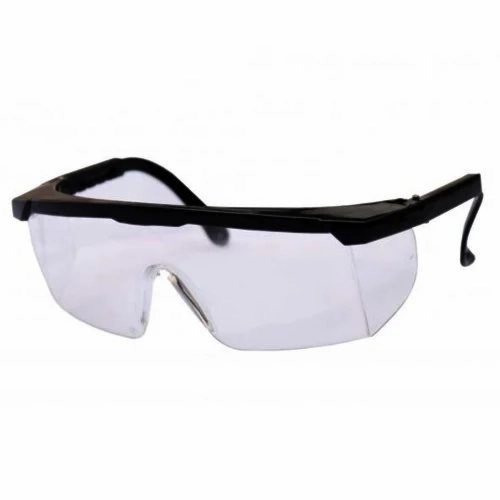
Punk Type Eye Protection Goggles
DISH building stability certification
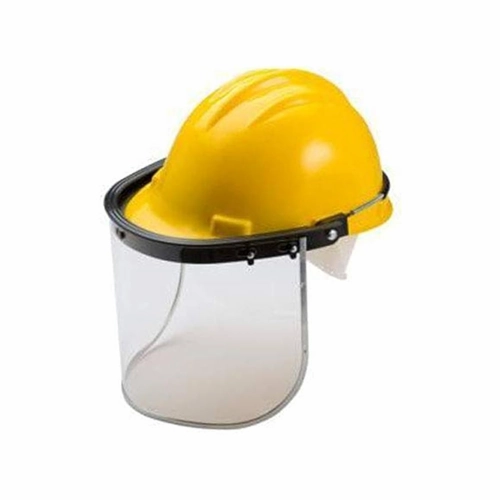
Helmet With Face Shield
DISH building stability certification
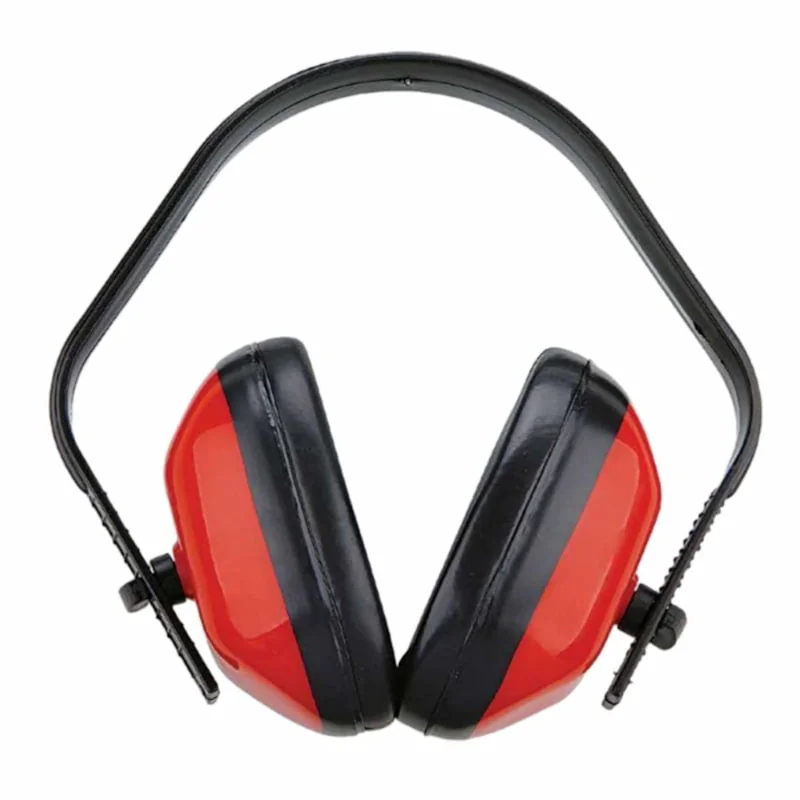
Ear Muff Premium
DISH building stability certification

Latex Hand Gloves
DISH building stability certification
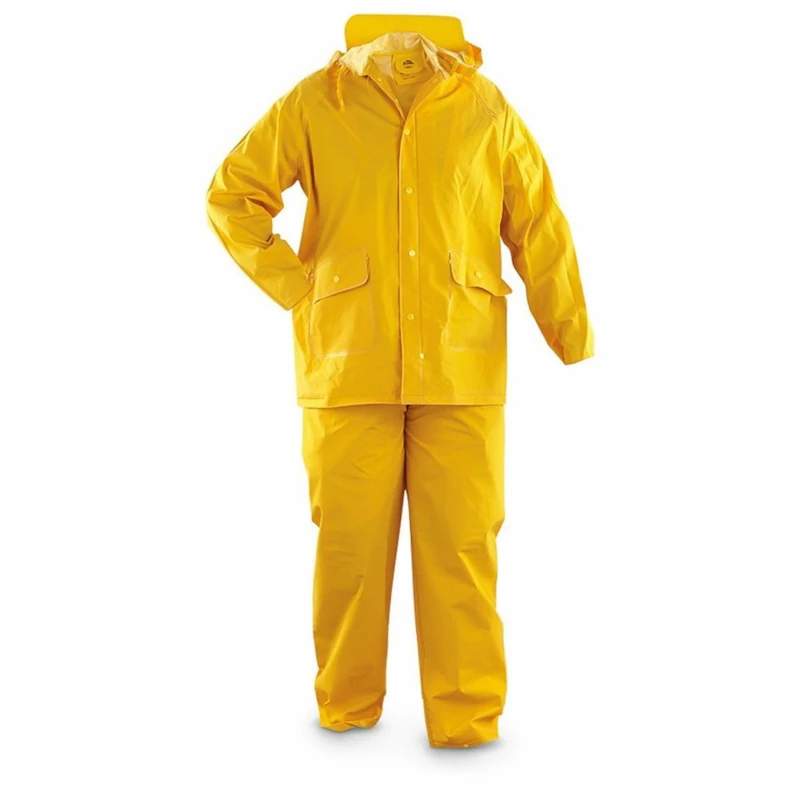
PVC Suit
DISH building stability certification

PSV Sore Shoes
DISH building stability certification
Factory License Consultancy
Seamless processing for both new factory license applications and timely renewals. Our consultants handle all state labor department documentation to eliminate legal operational delays.
Structural Stability Certification
Certified structural audits conducted by licensed chartered engineers. We assess building integrity, analyze load-bearing capacities, and issue official stability certificates.
On-Site Emergency Plans (OEP)
Customized hazard mitigation strategies and operational emergency planning. These frameworks define clear evacuation roadmaps, assembly points, and rescue operations.
Drawing & Design Approval
Technical layout drafting aligned with the National Building Code (NBC). We secure fast approvals for factory layouts, machinery layouts, and ventilation designs.
Testimonials
What Industrial Plant Managers Say

Arun Vinayan
Operations Director, Star Manufacturing Hub
“We needed a quick renewal for our Factory License along with an updated Structural Stability Certificate. AK Industries completed the inspection and handed over the signed compliance documents within a week. Their speed saved us from a major operational halt!”

Meenakshi Sundaram
Head of EHS, Apex Automotives
“The On-Site Emergency Plan (OEP) designed by their safety engineers was highly practical and structured. The local authority approved our factory layouts without a single objection. Highly recommend their design approval services.”
Ready to Secure Your Factory Licenses and Approvals?
Do not wait for compliance deadlines or sudden safety audits to disrupt your operations. Reach out to our certified industrial safety consultants today for a comprehensive evaluation.
Frequently Asked Questions
What core documents are required to apply for a new Factory License?
To initiate a new application, you generally need the approved building plans, land ownership or lease documents, a list of machinery with horsepower details, a flow chart of the manufacturing process, and director/occupier identification proofs. Our team handles the entire documentation checklist for you.
How long before the expiration date should I apply for a Factory License renewal?
You should ideally submit a factory license renewal application 30 to 60 days before the expiration date (depending on your specific state labor department rules). Applying early prevents late-fee penalties and operational compliance gaps.
Can AK Industries help if my factory license has already expired?
Yes. Our consultants specialize in handling backlog cases and expired licenses. We coordinate with the state labor department, assist in compiling the necessary penalty documentation, and fast-track the renewal process legally.
Is it necessary to update the license if there is a change in the factory’s management or machinery?
Yes. Any change in the factory’s Director, Occupier, maximum worker capacity, or total installed horsepower requires an official amendment to your existing license. We manage these amendment applications smoothly.
What exactly is a Structural Stability Certificate?
A Structural Stability Certificate is a legal safety document issued by a state-government-approved Chartered Structural Engineer. The certificate formally guarantees that the factory building can safely withstand operational vibrations, heavy machinery loads, and environmental stress.
How often does an industrial building need a structural stability audit?
Government regulations typically mandate a structural stability audit every 3 to 5 years. However, if you add heavy overhead cranes, install high-vibration machinery, or make structural modifications, an immediate audit is required.
What testing methods do your structural engineers use during an inspection?
Our engineering teams utilize advanced Non-Destructive Testing (NDT) methods. These diagnostic techniques include ultrasonic pulse velocity tests, rebound hammer tests, and, where necessary, core drilling, allowing assessment of concrete and steel strength without damaging your actual building structure.
What happens if a section of our factory fails the structural stability test?
If our engineers detect structural weaknesses, we provide a detailed roadmap for retrofitting and structural repairs. Once your team implements these recommended structural reinforcements, we will re-inspect the facility to issue the final stability certificate.
What is an On-Site Emergency Management Plan (OEP)?
An On-Site Emergency Management Plan is a comprehensive, structured framework designed to address major industrial accidents, chemical leaks, or fires within your facility’s boundaries. The plan maps out exit pathways, coordinates rescue operations, and defines assembly protocols to safeguard lives.
Is an OEP legally mandatory for all types of manufacturing plants?
An OEP is strictly mandatory for factories categorized under “Hazardous Processes” or “Major Accident Hazard (MAH)” installations by the Factories Act. However, non-hazardous plants also implement basic emergency plans to meet standard insurance requirements and client audits.
How frequently should emergency mock drills be conducted based on the OEP?
According to statutory safety guidelines, physical mock drills based on your OEP should be conducted at least once every 6 months. These regular drills ensure your safety wardens and workforce know exactly how to evacuate safely during a real crisis.
Does your team assist in getting the OEP approved by the Directorate of Industrial Safety and Health (DISH)?
Yes. We do not just write the document; our safety experts handle the presentation, answer technical queries raised by safety inspectors, and secure the official approval stamp from the relevant authorities.
Why do factory layouts require official engineering design approval?
Before laying a foundation or installing machinery, state authorities must verify that your plant layout includes adequate ventilation, optimal emergency exit widths, safe electrical routing, and proper distance requirements between high-risk zones to prevent industrial hazards.
Do your engineering drawings align with the National Building Code (NBC)?
Yes, absolutely. Every blueprint, CAD layout, and machinery flow layout drafted by AK Industries strictly follows the National Building Code (NBC) standards and local State Factory Rules.
Can you modify our existing plant CAD drawings to comply with current safety regulations?
Yes. If your current layouts do not meet compliance standards, our design team overlays structural adjustments onto your existing CAD files. We rearrange machinery spacing and exit paths to ensure your layouts easily pass the government inspection phase.
How long does the drawing and design approval process typically take?
The preparation of technical drafts takes 3 to 7 business days. The subsequent government department approval timeline varies by state. Still, our seasoned liaisoning team keeps the file moving to secure approvals within the shortest possible turnaround time.